
The 8th International Conference on Internet of Things, Automation and Artificial Intelligence (IoTAAI 2026) was successfully held and concluded in Harbin from May 29th to 31st, 2026. This conference is jointly hosted by Northeast Petroleum University and Nanjing University of Information Science and Technology, and co-organized by supporting units such as the Meteorological Bureau of Heilongjiang Province, Shanxi University, the Meteorological Observatory of Guizhou Province, Jiangsu Collaborative Innovation Center for Atmospheric Environment and Equipment Technology, Harbin University of Science and Technology, Guangdong Polytechnic Normal University and Shenzhen Big Data Research Institute. The conference brought together over two hundred experts, scholars, engineers, technicians and R&D personnel from universities, research institutes and industry enterprises at home and abroad. It presented a high-level, in-depth and multi-dimensional academic feast focusing on the cutting-edge achievements in the fields of the Internet of Things, automation, artificial intelligence and their cross-disciplinary areas.

On the morning of May 30th, the meeting officially kicked off at the meteorological park of the Heilongjiang Meteorological Bureau. The opening ceremony was presided over by Professor Shao Keyong, the dean of the School of Electrical and Information Engineering at Northeast Petroleum University. Professor Shao Keyong first extended a warm welcome on behalf of the organizing committee to all the guests and scholars present, and then announced the official opening of the 8th International Conference on Internet of Things, Automation and Artificial Intelligence (IoTAAI 2026).

Subsequently, Li Shuai, a member of the Party Group and deputy director of the Heilongjiang Meteorological Bureau, delivered a welcoming speech. He introduced the outstanding achievements of the Heilongjiang Meteorological Bureau in the modernization of meteorology and expressed the hope that this meeting could inject new impetus into the cross-integration of meteorology with the Internet of Things and artificial intelligence.
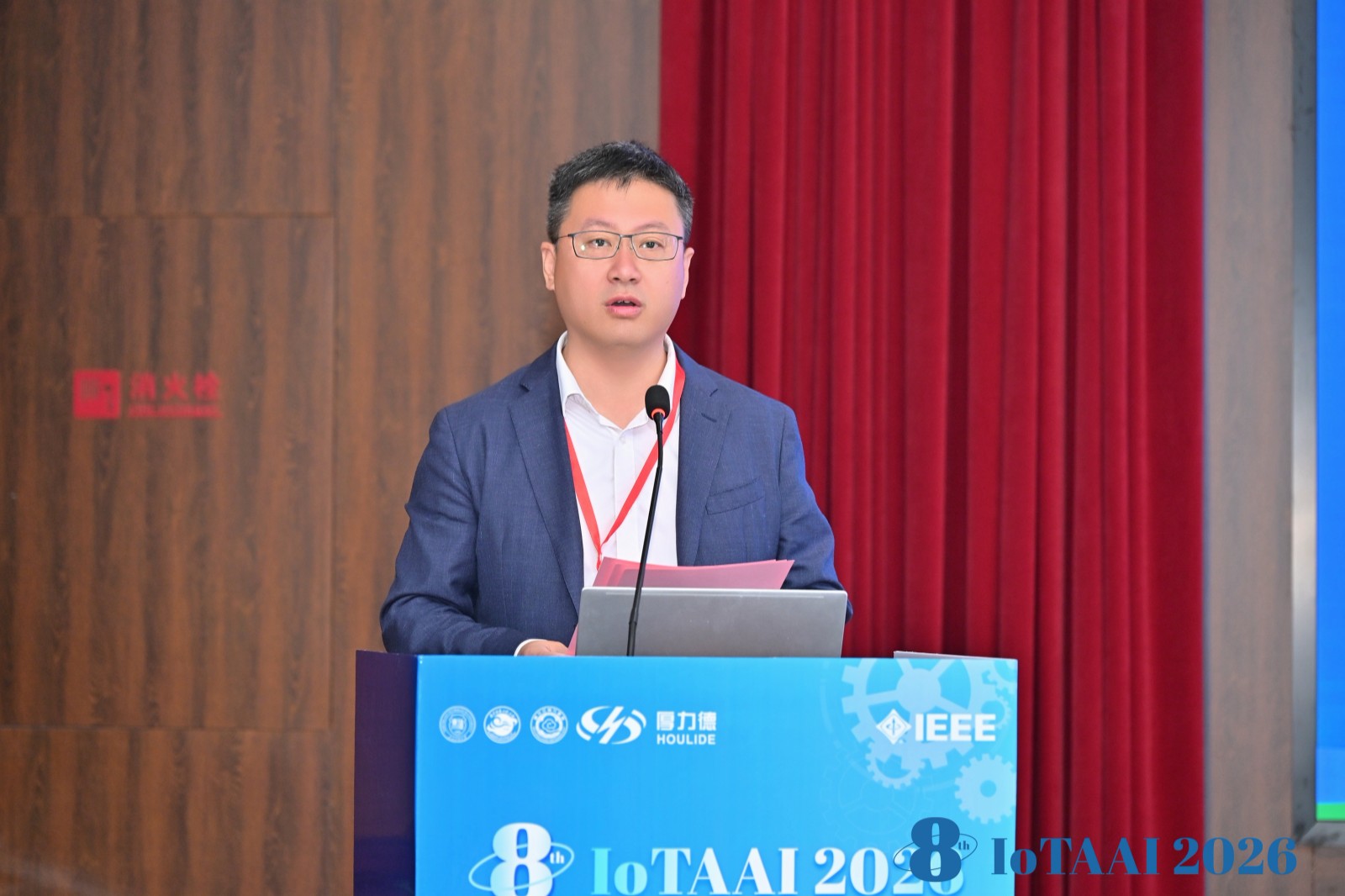
Immediately after, Professor Ge Quanbo from Nanjing University of Information Science and Technology, one of the conference chairmen, delivered an enthusiastic speech. He emphasized the significant role of the IoTAAI series of conferences in promoting multi-disciplinary collaborative innovation and wished the conference a complete success.
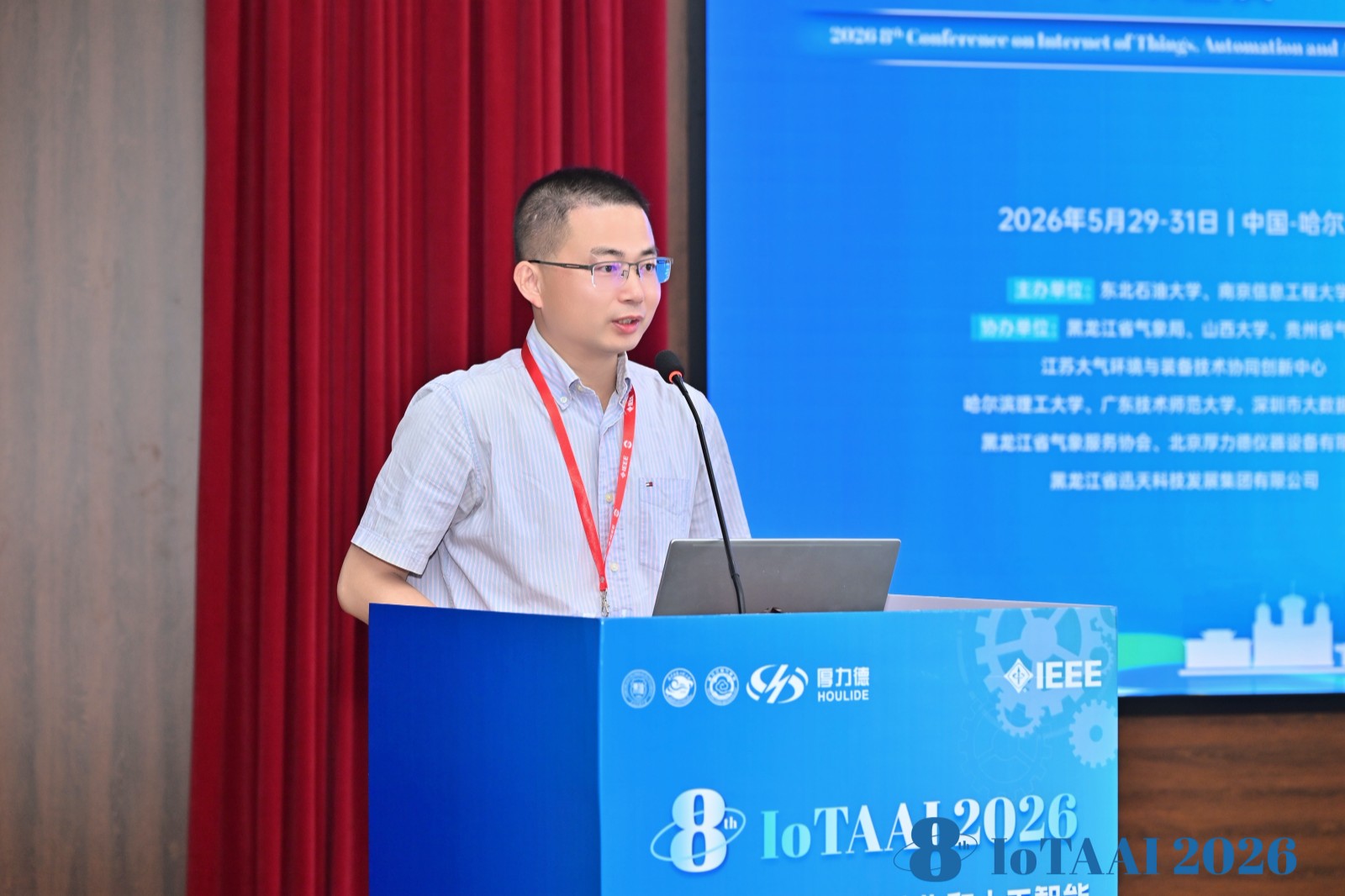
The keynote report session in the morning was hosted in segments by Professor Ge Quanbo and Zhu Wenda, deputy director of the Guizhou Meteorological Observatory. Five top experts delivered cutting-edge reports that were both theoretically profound and practically valuable.
Professor Dong Hongli (President of Northeast Petroleum University and a national-level high-level talent) first delivered a report titled "Reliable, Secure and Confidential Estimation Theory of Industrial Cyber-Physical Systems". She systematically expounded the theoretical system of state estimation under complex external anomalies, internal faults, network attacks and data confidentiality requirements, providing a systematic solution for the real-time and precise perception of industrial cyber-physical systems.

Professor Yang Tao (Northeastern University, IET Fellow) delivered a report titled "Research Progress in Distributed Non-Convex Optimization". He proposed a first-order primitive dual algorithm, an event-triggering mechanism and a quantized communication strategy for practical problems such as non-convex objective functions, continuous communication of agents and limited channel capacity. The theory is rigorous and has broad application prospects.
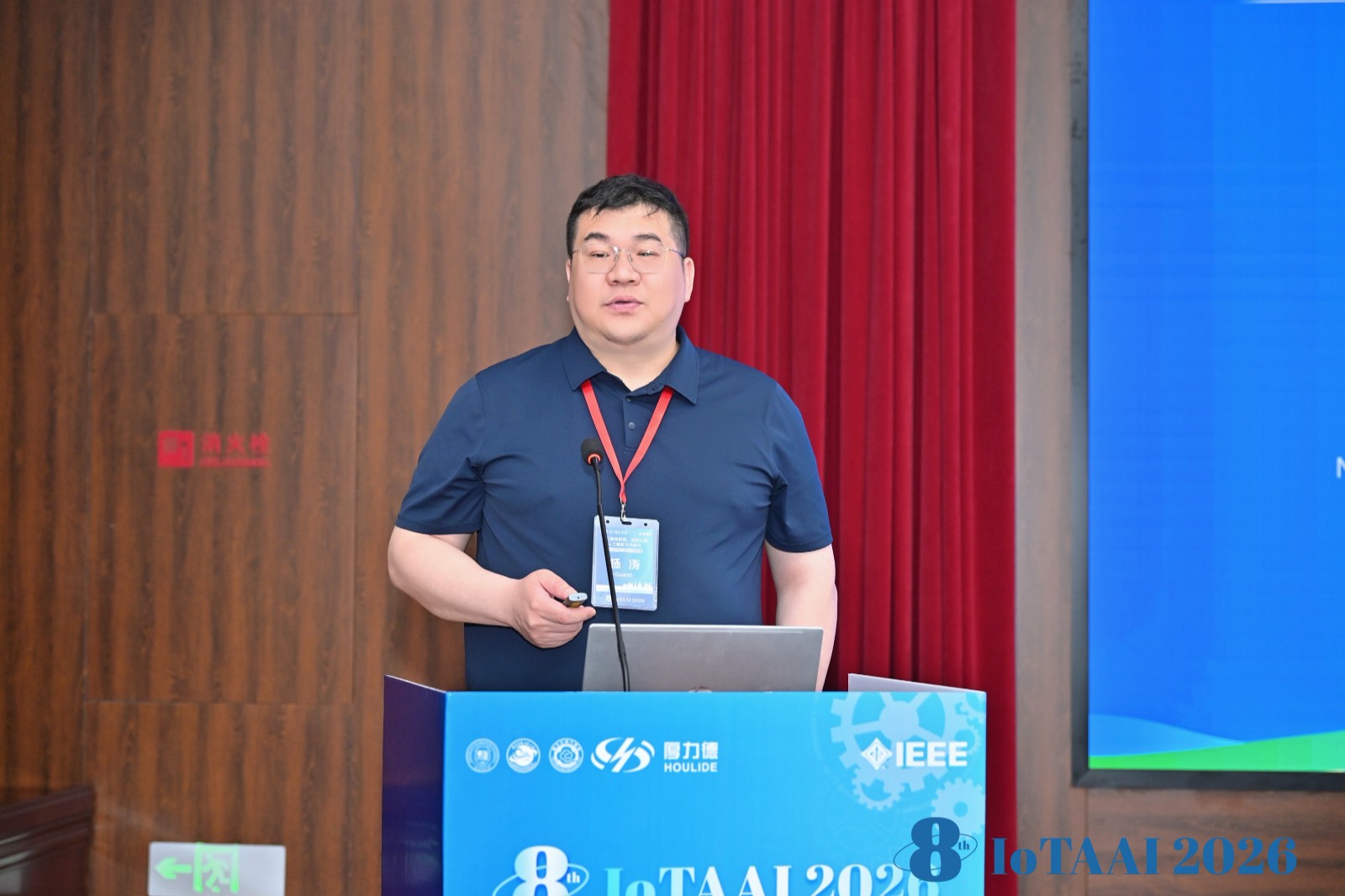
Professor Yang Chenguang (Fellow of the Hong Kong Polytechnic University and the European Academy of Sciences and Arts /IEEE Fellow) delivered a presentation titled "Humanoid Control of Robots, Skill Learning and Human-Robot Collaboration", sharing safe contact control methods for humanoid compliant adjustment, a generalized framework for skill learning based on force-position coupling operations, and innovative ideas for the deep integration of adaptive control and skill learning. The core bottleneck in the force contact task has been broken through.

Jing Guodong, a senior engineer (Chief Expert of the Artificial Weather Modification Center of the China Meteorological Administration), delivered a wonderful report titled "The Science of Controlling Wind and Rain: From Cloud Farming and Rain Sowing to Ecological Restoration". Starting from the early exploration of artificial weather modification, he combined the latest applications of artificial intelligence technology to comprehensively showcase China's outstanding achievements in the construction of national-level business systems, intelligent command platforms, and ecological restoration.
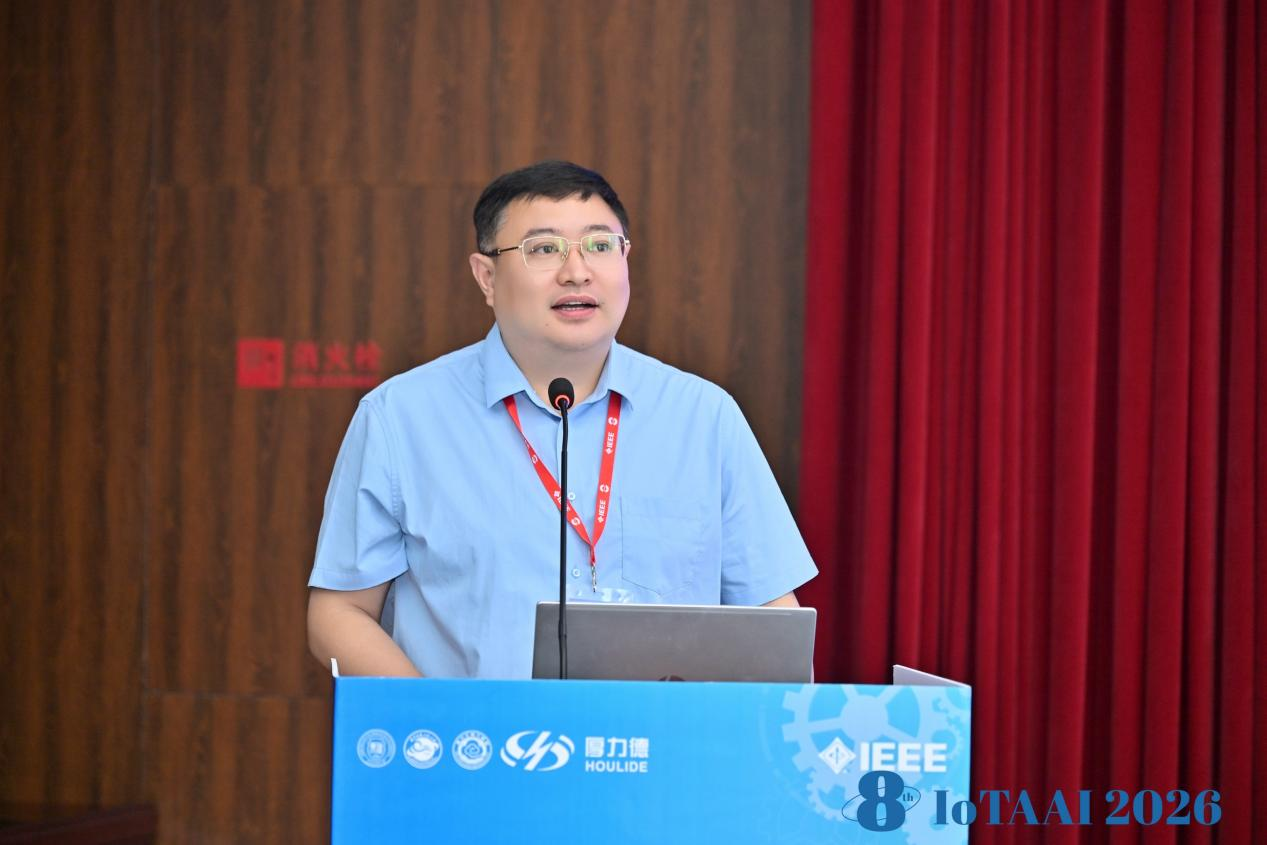
Professor Wang Zhenhua (Harbin Institute of Technology, National-level Young Talent) delivered a presentation titled "State Estimation and Attitude Control for Satellite Emergency Recovery". He proposed a method for estimating the rotation Angle of solar cell arrays and a combined control strategy of magnetic torque actuators and flywheels for emergency recovery after severe anomalies in orbit of satellites, providing key technical support for the safe operation of spacecraft.

On the afternoon of May 30th, two parallel sub-forums were held simultaneously. The oral presentations were splendid and fully demonstrated the cross-innovation of the Internet of Things, automation and artificial intelligence in multiple fields.
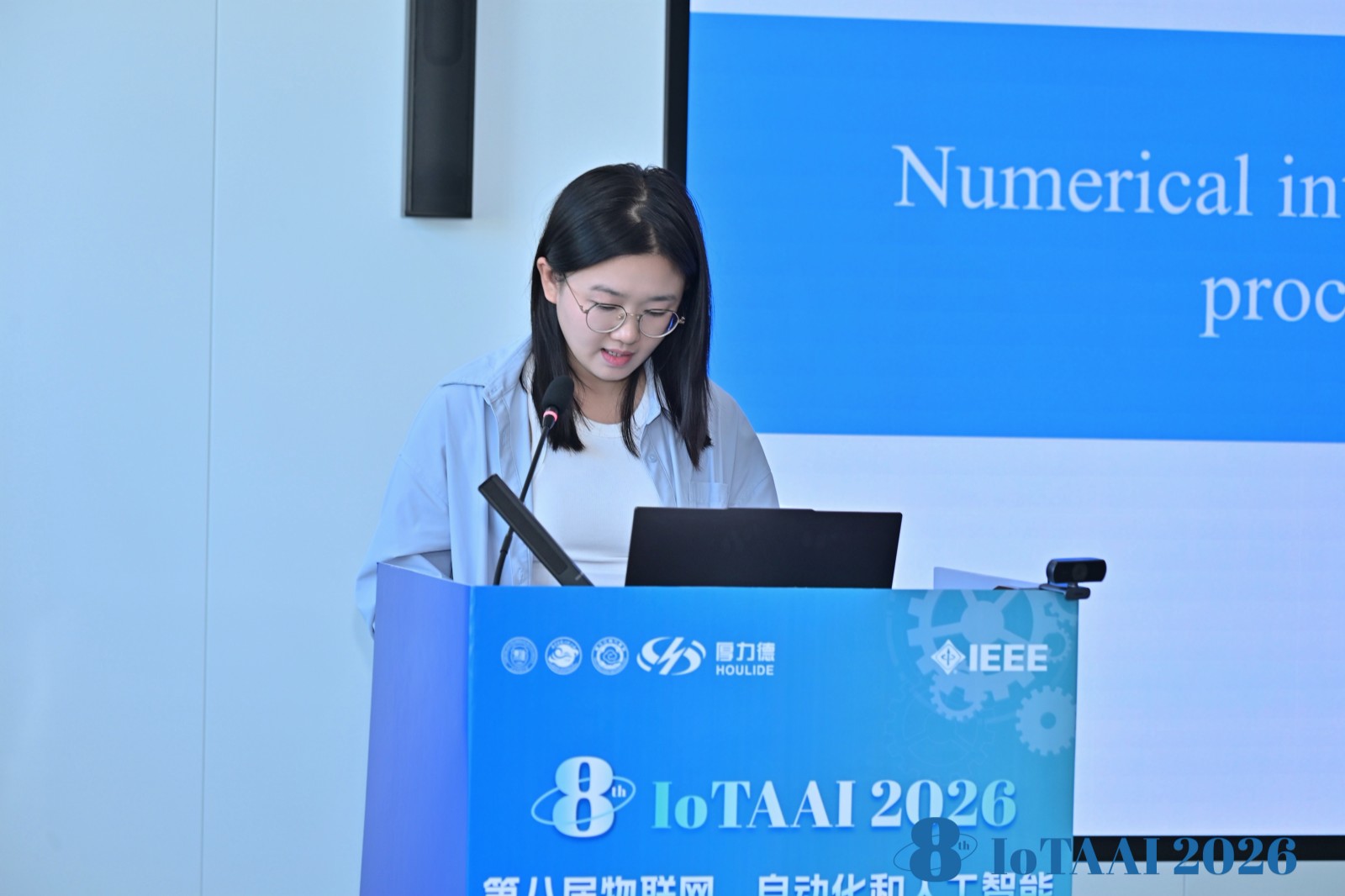
Sub-forum One focuses on industrial Internet of Things, intelligent control, deep learning and optimization algorithms. Scholars such as Wang Feng from Shandong University, Lu Lu from Hefei University of Technology, Li Hongyu and Zhan Jinming from Harbin University of Science and Technology respectively presented reports on topics including improving artificial optimization algorithms, acoustic monitoring of bolt welding, intelligent control of magnetic levitation blood pumps, and ultrafast laser processing of biological tissues. In addition, research achievements in cutting-edge directions such as dynamic flexible job-shop scheduling, diesel engine fault diagnosis, underwater geomagnetic navigation, and real-time traffic sign detection have also sparked intense discussions.
 |  |  |
 |  |  |
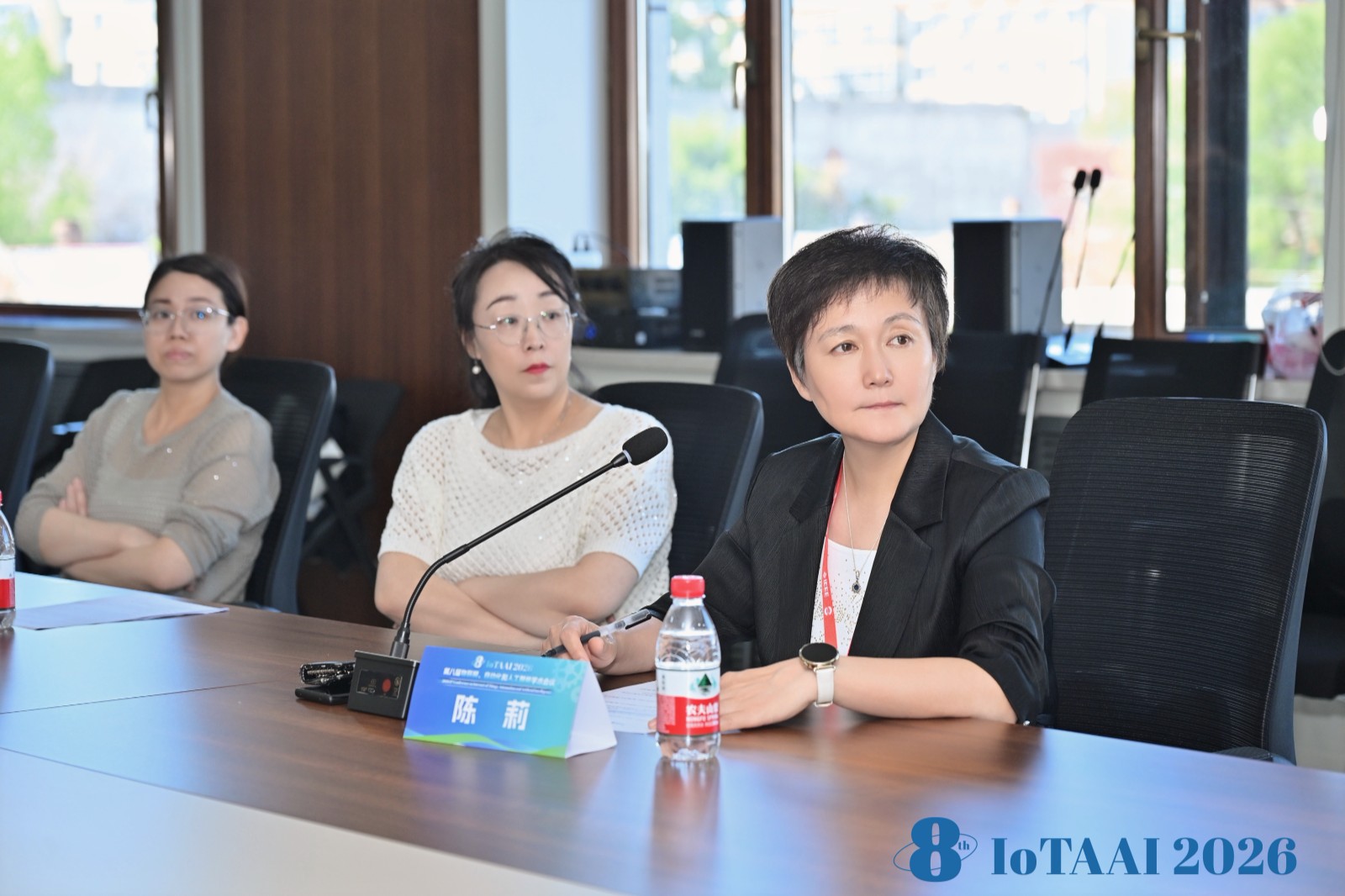
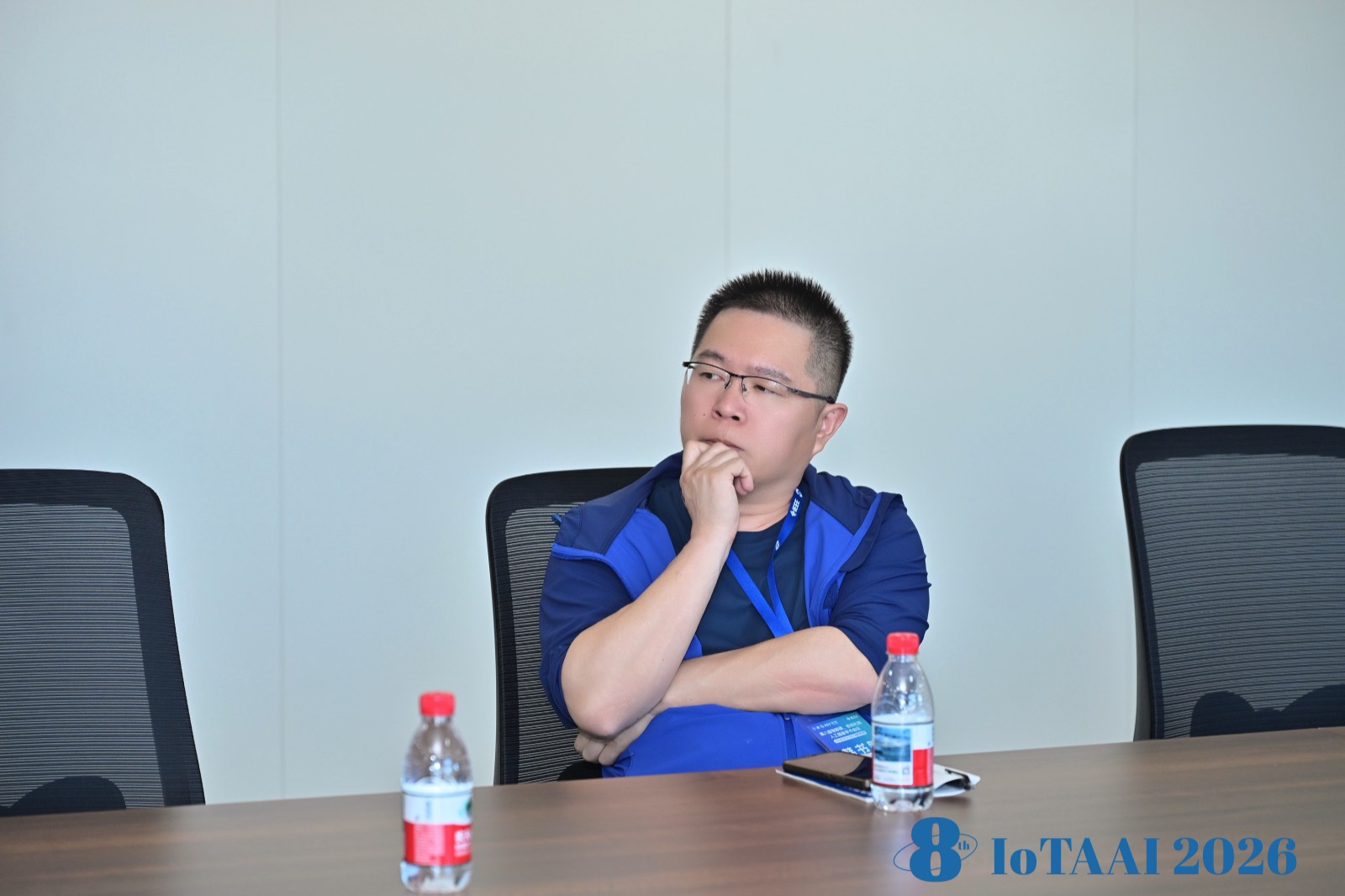
The second sub-forum closely revolved around the theme of meteorological intelligence. Experts from the Meteorological Observatory of Heilongjiang Province, the Meteorological Data Center of Heilongjiang Province, the Ecological Meteorological Center of Heilongjiang Province, the Meteorological Bureau of Yichun City, and the Office of Artificial Rainfall attended In-depth reports were made on topics such as intelligent recognition of tornado and downburst, intelligent quartz temperature observation instrument, snow depth inversion based on XGBoost, precipitation phase recognition in adaptive cost-sensitive random forest, and three-dimensional structure of embedded monomers in hurricane lines, fully demonstrating the huge potential of artificial intelligence technology in meteorological monitoring and forecasting.
 |  |  |
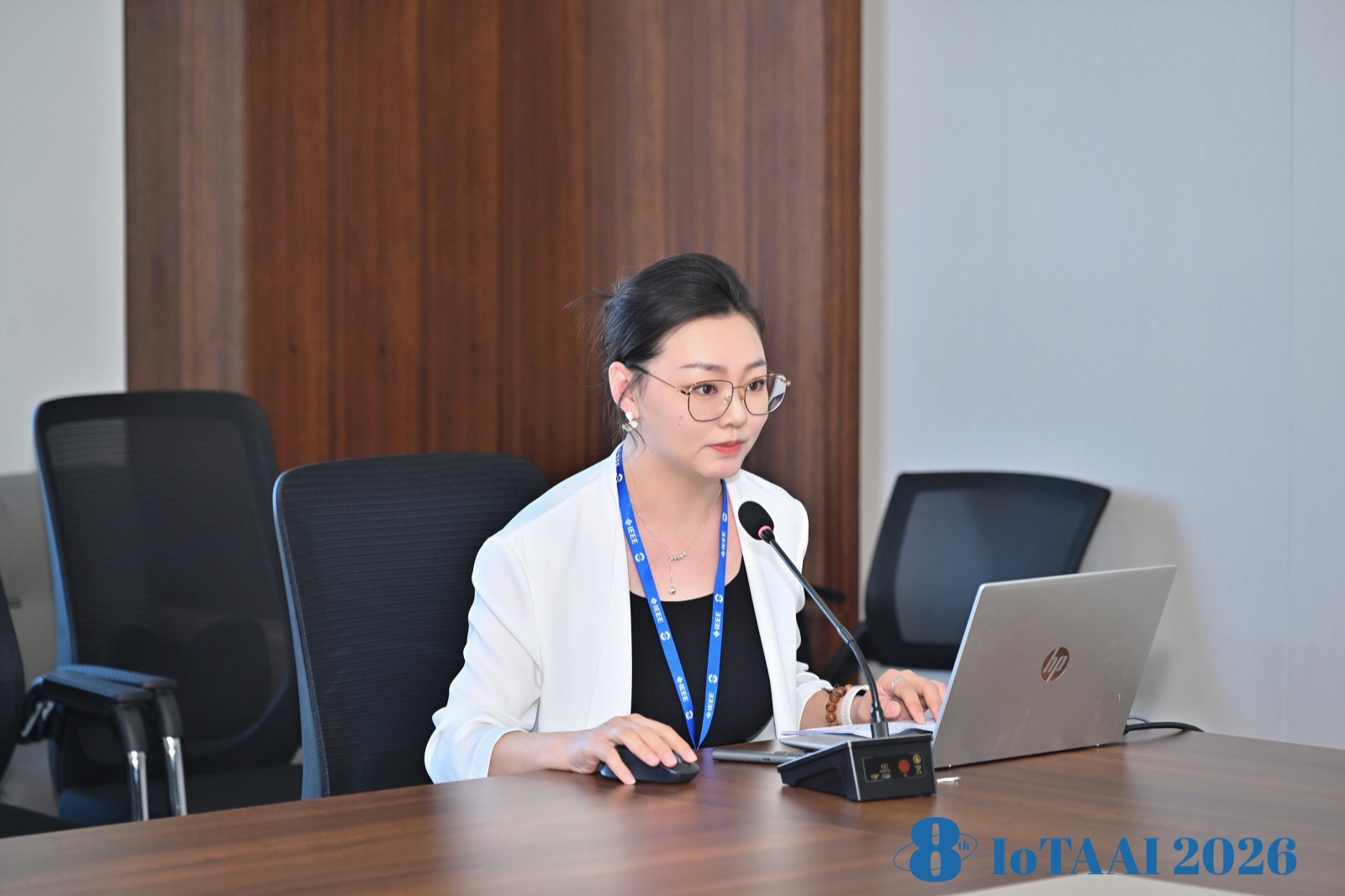 |  |  |
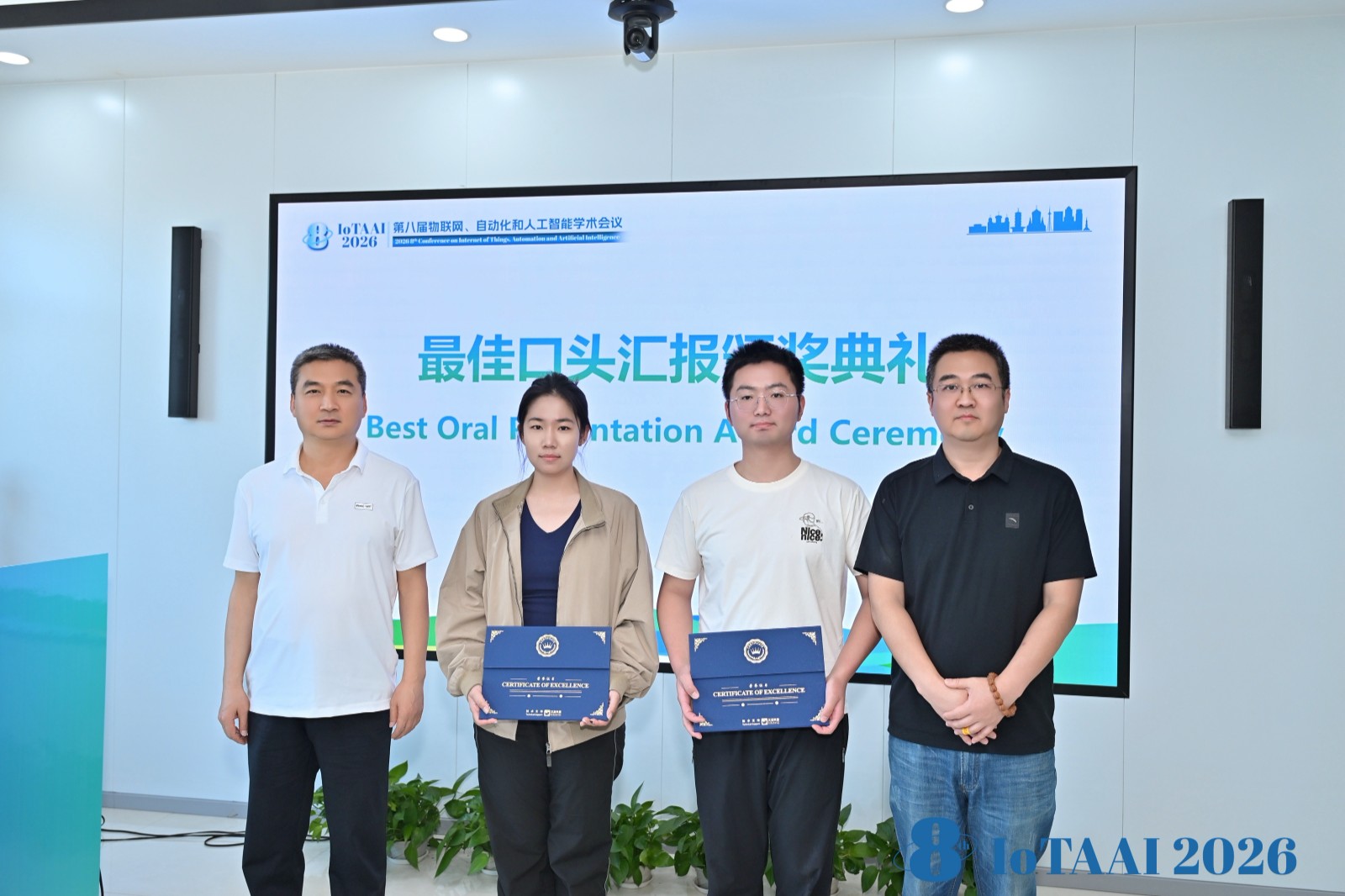
The reports in the two sub-forums were rich in content and novel in perspective. There was an enthusiastic response to questions on the spot and a lively academic exchange. The Best Oral Presentation Award was selected and presented at each sub-venue. The review work of Sub-forum One is handled by Professor Sun Shuli from Heilongjiang University and Professor Hao Gang from Harbin University of Commerce. The review work of Sub-venue two was handled by Researcher Zhang Libao and Researcher Chen Nong from the Heilongjiang Meteorological Bureau. Thank you to all the review experts for your hard work, and congratulations to all the award-winning scholars!
 |  |  |
During the conference, a poster display session was also set up. Researchers from institutions such as Shanghai University, Hangzhou Dianzi University, Xinjiang University, Chongqing University of Technology, Inner Mongolia University, Anhui University of Technology, Heilongjiang Meteorological Service Center, Zhongyuan University of Technology, Northeast Petroleum University, and China Southern Power Grid Energy Storage Co., Ltd. participated A series of innovative achievements were showcased, including RGB-D visual capture, unmanned aerial vehicle human body detection, micro-threaded hole instance segmentation, multi-contrast MRI super-resolution, PM2.5 prediction, PCB defect classification, extreme precipitation unsteady state modeling, sea surface wind speed prediction, rock fracture stage identification, and intelligent key system, which attracted many representatives to stop and exchange.

This conference not only provided a high-level international exchange platform for scholars in the fields of the Internet of Things, automation and artificial intelligence worldwide, but also promoted in-depth cooperation and collaborative innovation among universities, research institutes, meteorological departments and industry enterprises. The organizers, Northeast Petroleum University and Nanjing University of Information Science and Technology, stated that the intellectual achievements gathered and the cooperative ties established at the conference will effectively promote technological progress and industrial application in China in areas such as intelligent control, industrial Internet of Things, meteorological intelligence, robot technology, and aerospace emergency response. Looking forward to meeting again at the 9th IoTAAI Conference in 2027, and continuing to explore the cutting-edge of intelligent technology together to create a bright future of intelligent interconnection of all things!
